Guest columnist Lilly Cheung revisits 2015’s horror-musical cult classic The Lure!
The Lure (Córki dancingu) (2015) is an independent Polish film that takes the tragic story of “The Little Mermaid” by Hans Christian Andersen and somehow drags it into the light, exposing the gruesome cruelty of a mermaid’s sacrifice. The director, Agnieszka Smoczyńska, constructs a blend of both musical and horror genres that expands and subverts preexisting Polish folklore. It is a camp reinvigoration of the horror genre that revives and rewrites the story everyone knows. The movie grapples with identity, exploitation, unrequited love, and perhaps the horrors of womanhood itself. This is my ode to The Lure, the unsung hero of fairy tales retold.
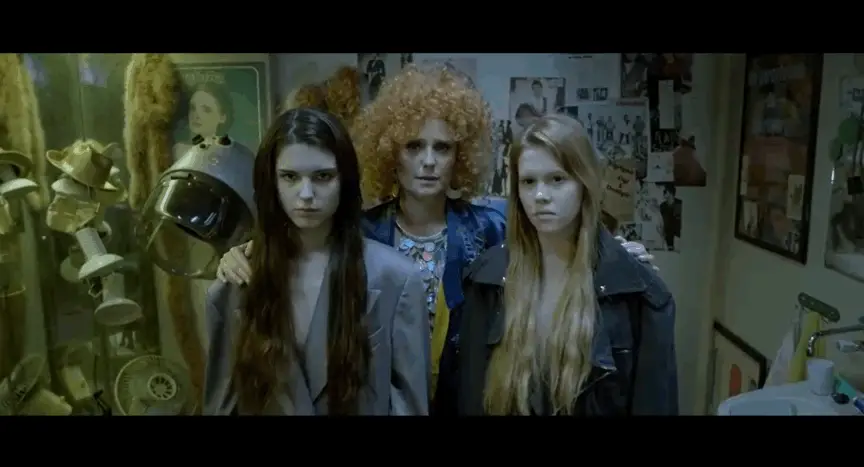
Set in 1980s Warsaw, Poland, the siren sisters, Silver and Golden, become entangled with a rock band and eventually form their own act, singing and dancing provocatively for patrons at a nightclub. It details their journey into maturity through an immersion in the seedy underbelly of the entertainment industry and emergence into their sexuality. The sets are dressed in pearls and glitter, drenched in dramatic, kaleidoscopic lighting that showcases the campy performances. The atmospheric cinematography almost becomes immersive and confrontational as the cast looks directly into the camera, directly engaging with the audience. Because the story line leans heavily into the rich subculture of the 1980s music scene, the musical elements never seem out of place; instead, they add to the narrative of womanhood as performance.
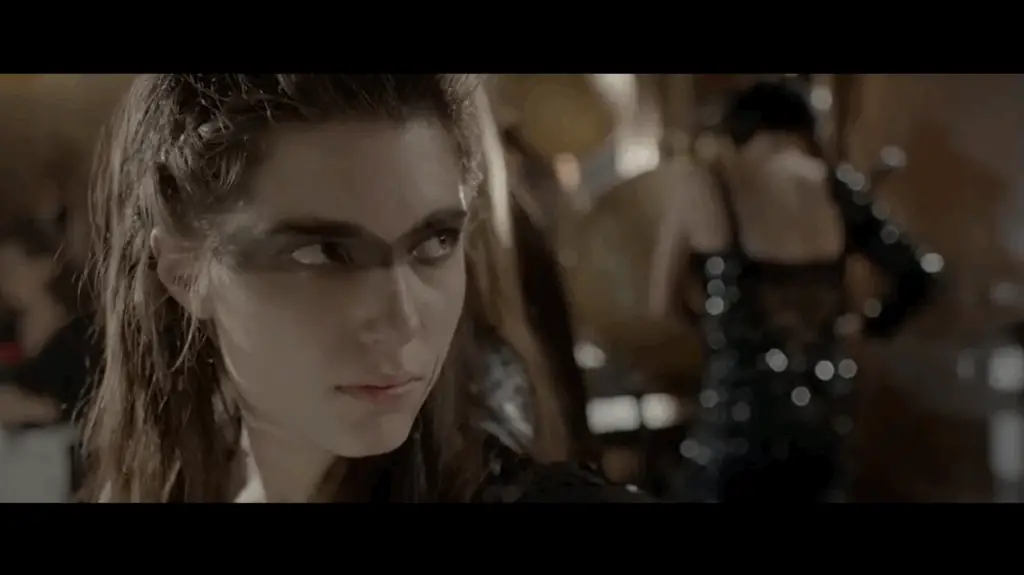

Unlike the legend of the Warsaw mermaid (syrenka), who was said to protect the harbor and the fishermen within it as a guardian-like figure, these mermaids use their sharp teeth to feast on human flesh. Golden is the more aggressive of the two, she wreaks havoc and feasts on the townspeople and explores sex through these nightclubs; the film has themes of experimenting with one’s sexuality as Golden engages with women throughout. Silver on the other hand is meek and naive, falling for a musician, Mietek, who struggles to see past their differences as her human form lacks sexual anatomy and her slimy tail threatens their desire for physical intimacy.
In Hans Christian Andersen’s story, the Little Mermaid has her tongue cut out in exchange for legs, yet every step she takes is excruciating. In the film, Silver finds that if she gives up her tail for a lower human half, it will cost her melodic voice, stripping her of her entertainment career and silencing her forever. Because the sisters are capable of swapping between use of either legs or their tail, the sacrifice is entirely sexually motivated to appear human below the waist. Additionally, should her love not be reciprocated and her lover weds another, she risks being dissolved into sea foam just as in the original story.
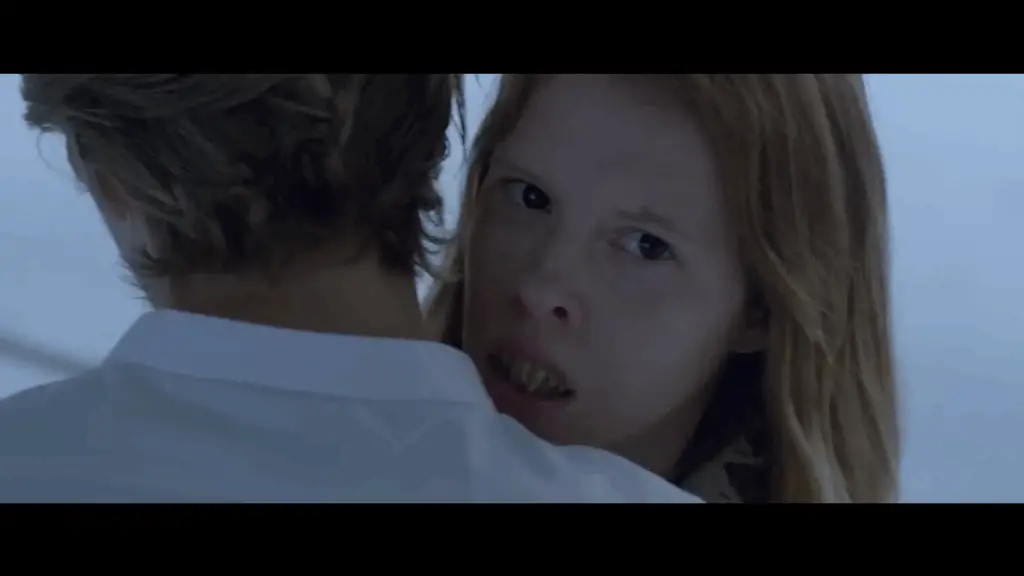
In an interview, Smoczyńska draws direct parallels between the experiences of immigrant women and the plight of the mermaids, the very idea that opportunity and survival are often at the cost of grave sacrifice. As outsiders, the mermaids are immediately commodified, made into a freak show of sorts rather than being praised for their actualized talents. Their objectification gives them access, upward mobility, and praise that distracts them from the foreign alienation granted by their abnormal bodies. There is this disconnect between the patrons of the club’s fascination and approval of their appearance as entertainment and the disapproval of her lover, who sees her tail as a curse. In pursuit of love, she sheds her identity completely, only to be cast aside following her extensive surgery as they have sex and he becomes disgusted by the blood. It becomes clear that he will never accept her as human no matter what she does to change herself to conform.
In many ways, Silver’s story is a coming-of-age narrative about experiencing the unknown and self-acceptance. The director sees the mermaid’s physical discomfort, inherent innocence, and subsequent exploitation as an analog for womanhood. Throughout the film, their vulnerability through nude performance and intimacy is met with cruelty and dismissal time and time again.
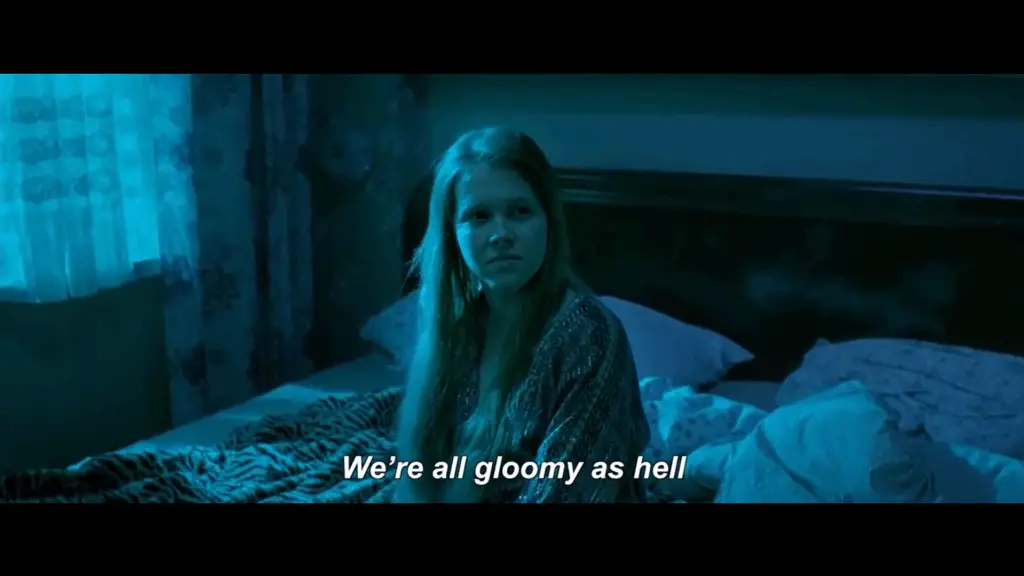
Smoczyńska says their slime-covered tails parallel the “bodily fluids that young girls encounter as their bodies come of age.” The movie details the awkward parts of that transition from girlhood, especially the discomfort, search for validation and the anxieties surrounding relationships.
When Mietek is about to be wed to someone else, Silver is given the opportunity to save herself by eating him and chooses to die instead, spending her last few moments holding him and smiling until she turns to foam. The mermaid sacrifices time and time again for the undeserving, leaving her sister to grieve her loss. Golden kills Mietek, ending in complete tragedy as she returns to the sea.
The horror-musical is one-of-a-kind, visually impressive, and at times shockingly grotesque. The appeal of this movie goes beyond the blood and guts, but it delivers a decisive commentary on societal pressure and the horrors of being unable to find your place in the world. Also, there is no better time to watch The Lure as it is currently streaming for free on Tubi!
Meet Lilly!

Lilly Cheung is a writer, blogger, and AMC A-list member from Florida who spends way too much time watching horror movies in the dark. The kind of person who paid real money to go see Saw: The Unauthorized Horror Musical and actually enjoyed every minute of it. She is a self-proclaimed cinephile and lover girl who loves to overshare via her blog, I’ve Said Too Much on Substack. Here on Wicked Horror, she mainly writes about film analysis and the broader cultural implications of that media, with her favorite subgenre being body horror.
You can follow Lilly on Instagram and LinkedIn, too!